Answer in three languages
Routing rules read the browser's language and send each visitor to the version written for them, from a single address.
Links for people who work in more than one language
Bio pages and short links · Digily Link
Working here usually means working in two or three languages at once. Putting three links in a profile that only takes one is not an option, and asking people to pick a language before they have read anything loses half of them. One digily.ee address can send each visitor to the version they read.
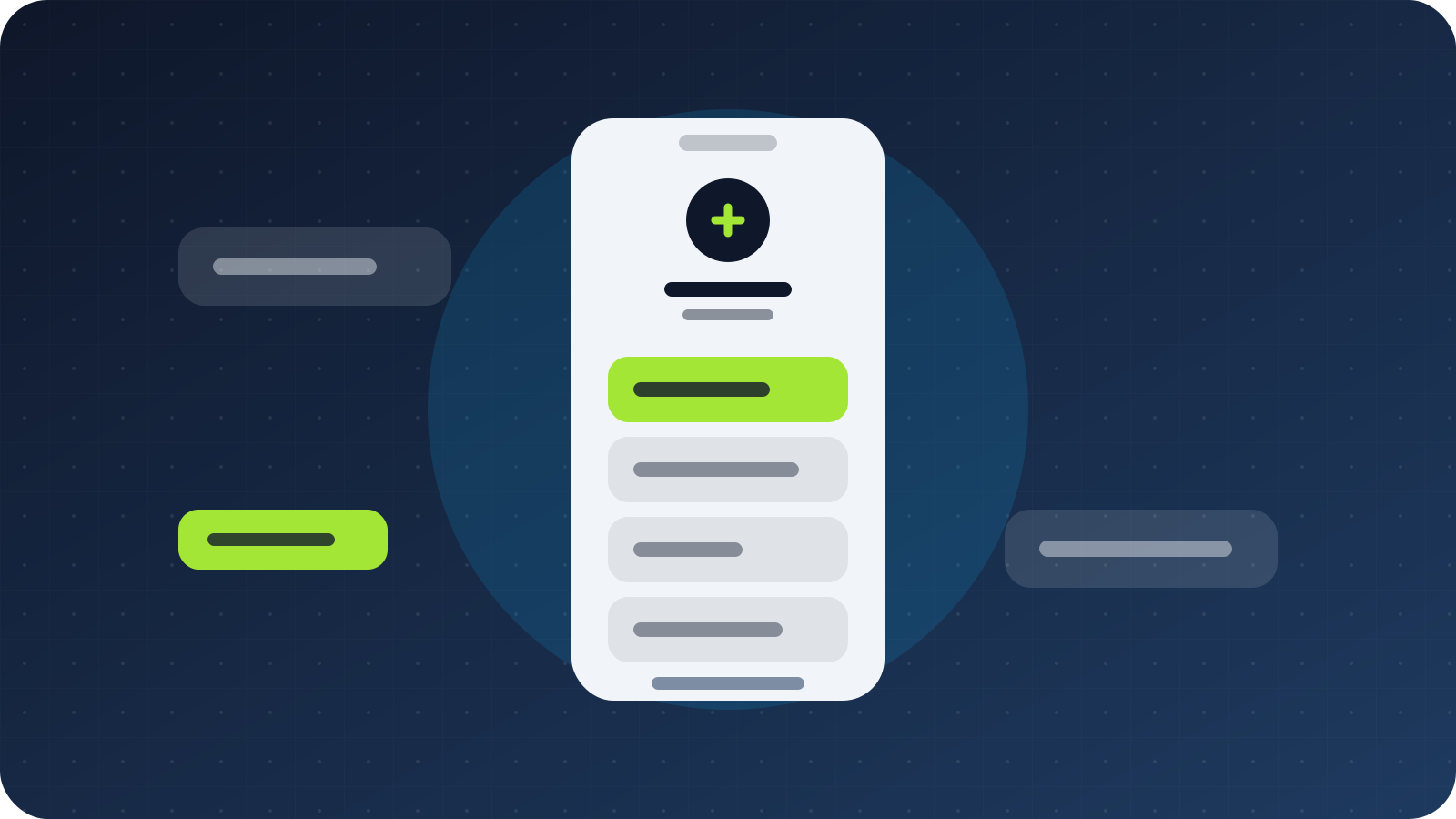
Routing rules read the browser's language and send each visitor to the version written for them, from a single address.
A bio page with your work, your shop, your booking form and the way to reach you, all on one screen.
One destination made short enough to read out loud, print on a card or fit into a message.
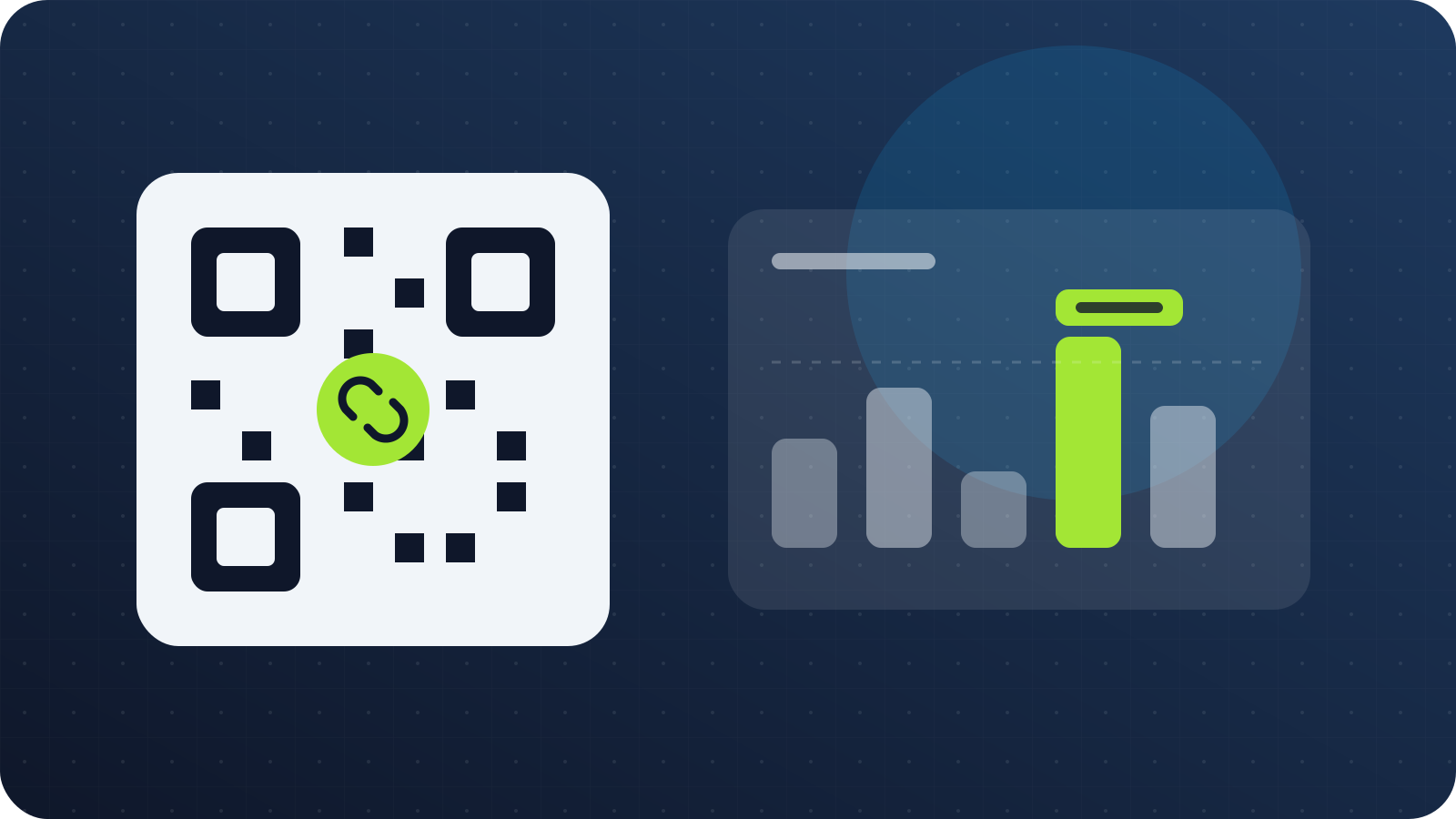
The same address as a code in your own colours, for a poster, a card or a shop window.
Digily Link tools
The short address is what people see. These are the parts that make it worth keeping for years.
Send visitors to different destinations by browser language, so Estonian, Russian and English readers each land on the right page without choosing.
Unlimited links and sections on one mobile page. Drag to reorder, publish, and it is live for everyone who already has the address.
Repoint a link at any time. Everything already shared or printed follows without a reprint.
Any page or link becomes a code in your colours, as PNG for screens or SVG for print at any size.
Clicks, scans, countries, cities, devices and referrers per link, in real time and without a cookie banner.
Passwords, start and expiry dates and click limits, for anything under embargo or with an end date.
Two ways to use it
The page when you have several things to show, the short link when you have one. Language routing works on either.
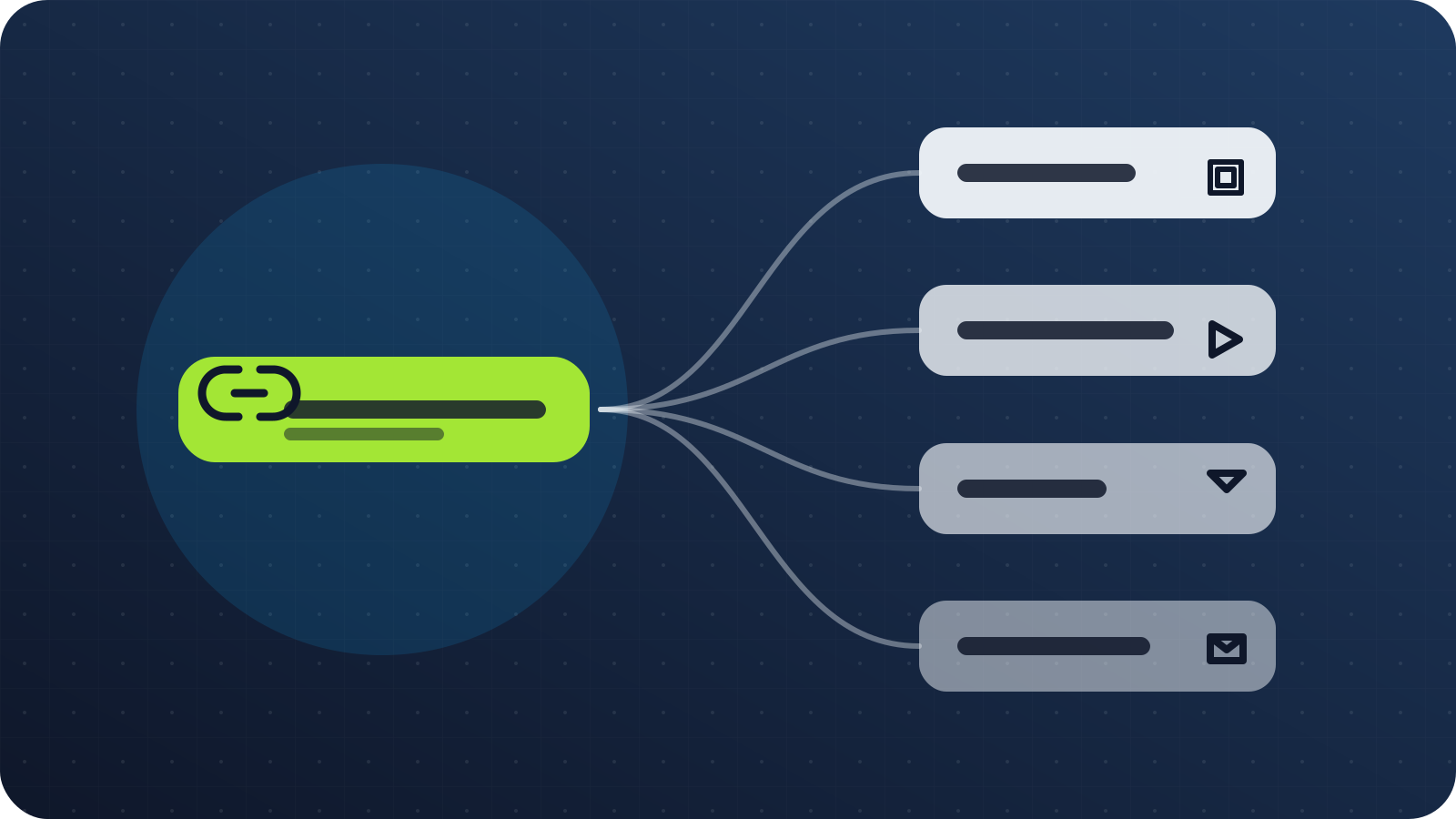
Several links
Create a Digily Link account and start a new bio link page.
Choose digily.ee from the domain list and pick the name after the slash.
Add your links and group them into sections, in whichever language your audience mostly reads.
Paste the address into every profile you keep, once.
One destination
Open the short link tool and paste the main destination.
Select digily.ee and type the ending you want.
Add language rules so each version of the page gets the readers it was written for.
Share the one address and let the rules do the sorting.
Domain → Digily Link → Share
digily.ee is not a separate service with its own login. It is one of the domains you can pick inside Digily Link when you build a bio page, shorten a URL or generate a QR code.
Pages, links, codes and statistics all sit in the same account, and the data is held on servers in the United Kingdom and the European Union.
Take a look at Digily LinkWho reaches for it
Anyone whose audience does not all read the same language, and who would rather solve that once than explain it every time.
The ending places you
A country ending answers a question before the page loads. It says where you are and, in a region where that matters for delivery, invoicing and law, it saves the visitor working it out.
Short and direct
What it is, how language routing works, where the data sits and what it costs.
digily.ee is a domain you can choose inside Digily Link when you build a link in bio page, shorten a URL or make a QR code. It is not a separate platform and it does not need its own account.
Every browser sends the languages its owner reads. A routing rule on the link matches that and picks the destination, so an Estonian reader and an English reader follow the same address to different pages without either of them choosing.
You set a default, and anyone whose language does not match a rule lands there. It is worth making the default the one most of your audience can read rather than the one you write in first.
On servers in the United Kingdom and the European Union. It is not sold or passed to advertisers, traffic runs over HTTPS and passwords are stored hashed rather than in readable form.
No. Click and scan statistics are collected without a tracking cookie and without building a profile of the individual, so nothing stands between a visitor and what they came for.
Yes. Edit the destination and every copy already in circulation follows, including anything printed or saved by somebody else.
On eligible plans you can connect a domain you own, with the same tools and statistics behind it.
Yes, within the limits of the free Digily Link plan, with no card required. Paid plans raise the limits and add features, and your address does not change when you move between them.
Start on Digily Link
Open a free account, pick digily.ee from the domain list, and share one address that works in every language your audience reads. It stays the same as you grow.